Does Exfoliation Damage Your Skin?
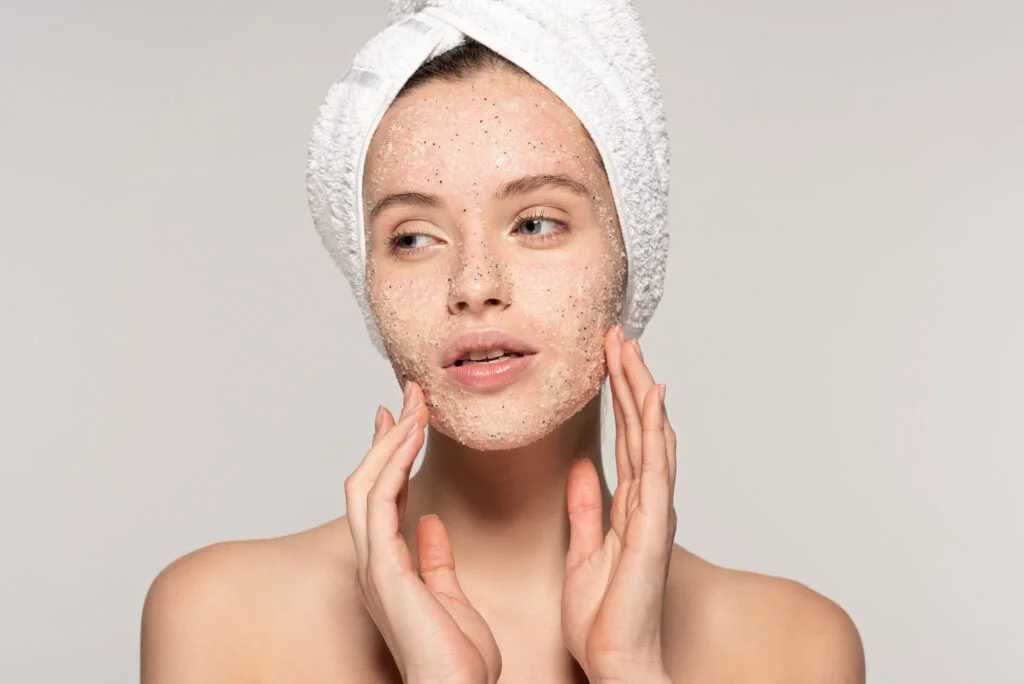
When talking skin care, exfoliation is often highlighted as a key step in achieving healthy, glowing skin. By removing dead cells and unclogging pores, exfoliation can help reveal a brighter, smoother complexion.
However, with the rise of social media and the abundance of skincare advice available online, you may become concerned about whether exfoliation can actually damage your skin. Let’s separate fact from fiction and find the truth about exfoliation and its impact on your skin’s health.
The Benefits of Exfoliation
When done correctly, exfoliation offers a range of benefits for your skin:
- Unclogging Pores: Exfoliation helps remove the buildup of dead skin cells, oil, and other impurities that frequently clog pores, leading to breakouts and a dull complexion.
- Enhancing Product Absorption: By removing the top layer of dead cells and debris, exfoliation allows your skincare products to penetrate more deeply and work more effectively.
- Stimulating Cell Turnover: Exfoliation can help stimulate cell turnover, encouraging the production of newer, healthier skin cells for a more youthful, radiant appearance.
- Improving Skin Texture: Regular exfoliation can help improve skin texture, reducing the appearance of fine lines, wrinkles, and uneven skin tone.
When Exfoliation Can Be Harmful
While exfoliation can be incredibly beneficial for the skin, it’s important to recognize that there are times when it can cause more harm than good.
Over-Exfoliation
One of the most common mistakes people make when it comes to exfoliation is doing it too often or too aggressively. Over-exfoliation can strip skin of its natural oils, leading to dryness, irritation, and even breakouts.
Using the Wrong Products
Not all exfoliants are created equal, and using products that are too harsh for your skin type can cause damage. For example, those with sensitive skin should avoid physical exfoliants with rough particles and opt for gentler chemical exfoliants instead.
Exfoliating Irritated Skin
If your skin is already irritated or inflamed, exfoliating can exacerbate the problem. It’s best to give your skin a break from exfoliation until it has had a chance to heal.
Combining Too Many Active Ingredients
Using multiple active ingredients, such as retinoids and alpha-hydroxy acids, in conjunction with exfoliation can be too much for the skin to handle, leading to irritation and sensitivity.
How to Exfoliate Safely and Effectively
To reap the benefits of exfoliation without damaging your skin, follow these tips.
Know Your Skin Type
Understanding your skin type is crucial in choosing the right exfoliant and frequency of use. If you have oily or acne-prone skin, you may benefit from more frequent exfoliation, while those with dry or sensitive skin should exfoliate less often.
Choose the Right Exfoliant
There are two main types of exfoliants: physical and chemical. Physical exfoliants use small particles to manually remove dead skin cells, while chemical exfoliants use ingredients like alpha-hydroxy acids (AHAs) and beta-hydroxy acids (BHAs) to dissolve the bonds between dead skin cells. Choose an exfoliant that aligns with your skin type and concerns.
Be Gentle
When exfoliating, use gentle, circular motions and avoid scrubbing too hard. Over-exfoliating can lead to micro-tears in the skin, causing irritation and sensitivity.
Follow Up with Moisturizer
After exfoliating, make sure to follow up with a moisturizer to help hydrate and protect the skin. Look for a moisturizer that works with your skin type and contains ingredients like hyaluronic acid or ceramides to help support the skin’s natural barrier.
Listen to Your Skin
Pay attention to how your skin reacts to exfoliation. If you experience redness, irritation, or excessive dryness, it may be a sign that you’re over-exfoliating or using the wrong product. Adjust your routine accordingly and give your skin time to recover.
Professional Exfoliating Treatments
Professional exfoliating treatments are safe and effective options for those looking to achieve a more radiant complexion while under the care of an experienced skincare expert. These treatments are performed by trained professionals and provide deeper exfoliation with minimal risk of damage.
Microdermabrasion
Microdermabrasion is a non-invasive procedure that uses tiny crystals or a diamond-tipped wand to gently remove the outer layer of dead skin cells. This treatment improves skin texture, reduces the appearance of fine lines, and promotes a more even skin tone.
Chemical Peels
Chemical peels involve applying a solution to the skin that causes the top layer to “peel” off, revealing fresh, new skin underneath. Depending on the strength of the peel, this treatment can address a range of skin concerns, from fine lines and wrinkles to acne scars and hyperpigmentation.
Fraxel Dual Laser
The Fraxel Dual Laser treatment uses fractional laser technology to target both the surface and deeper layers of the skin. This treatment can effectively address issues such as fine lines, wrinkles, sun damage, and acne scars, promoting a smoother and more youthful appearance.
Exfoliate Better
Exfoliation can be a powerful tool in your skincare arsenal when done correctly.
If you want to develop a personalized approach to an exfoliation, our experienced team is here to help. Contact us today to schedule a consultation with one of our skincare experts.